Biographical Index to Documentation and Information Science History.
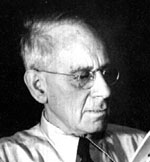
Emanuel Goldberg, 1881-1970:
Pioneer of Information Science.
Emanuel
Goldberg, 1881–1970: informasiya elminin pioneri. Azerbaijanian
translation by Amir Abbasov, Apr 2020.
Емануел
Голдбърг, 1881-1970: пионер на информационните науки. Bulgatian
translation by Zlatan Dimitrov, Feb 2020.
伊曼纽尔·戈德堡 (Emanuel Goldberg,1881 – 1970年):信息科学的先锋, Chinese translation by
Matthew Ma of Ecigato,
Nov 2022.
Emanuel
Goldberg, 1881-1970: Pioneer informační vědy. Czech translation by Ivana Horak,
2017.
*New* Emanuel
Goldberg, 1881-1970: Pioner inden for informationsvidenskab.
Danish translation by Romerriket, October 2023.
Emanuel Goldberg,
1881-1970: infoteaduse pioneer. Estonian translation by Martin Aus,
2018.
ემანუელ გოლდბერგი, 1881-1970: საინფორმაციო მეცნიერების პიონერი.
Georgian transalation by Ana Mirilashvili, 2018.
Hungarian
translation by Elana Pavlet, 2016.
Emanuel
Goldberg, 1881-1970:
Pioniere di Scienze dell’informazione. Italian translation
by Musicscanner.com, 2017.
Эмануель
Голдберг, 1881-1970: Ақпараттық ғылымның пионері, Kazakh translation by
Alana Kerimova, 2018.
*New* 에마누엘
골드버그(Emanuel Goldberg), 1881-1970: 정보 과학의 선구자, Korean
translation by PlayerAuctions, Dec 2022.
Емануел
Голдберг, 1881-1970: Пионер на информатичката наука, Macedonian
translation by Katerina Nestiv, 2016.
Emanuel
Goldberg, 1881-1970. Marathi translation by Naresh Ram,
Feb 2022.
Emanuel Goldberg,
1881-1970: Foregangsperson til Informasjonsvitenskap. Norwegian
translation by Lars Olden, 2018.
Emanuel Goldberg,
1881-1970: Pioneer Informacji Naukowej, Polish translation
by Marek Murawski, 2018,
ਏਮਾਨਵਲ ਗੋਲਡਬਰਗ, 1881-19 70: ਜਾਣਕਾਰੀ ਵਿਗਿਆਨ ਦੇ ਪਾਇਨੀਅਰ,
Punjabi translation by Discountcodes, 2018.
Эмануэль Гольдберг, 1881-1970
годы, Russian translation by Alex Marchenko, 2017.
Emanuel Goldberg, 1881-1970:
Pioneer de Ciencias de la Información, Spanish translation by
Laura Mancini, 2018.
Emanuel
Goldberg, 1881-1970: Pionjär för informationsvetenskap, Swedish
translation by the dllfilesfixer.org
editorial team, 2018.
Emanuel Goldberg
1881-1970: Bilgi Bilim Öncü, Turkish
translation by Zoltan Solak, 2018.
Емануель Голдберг,
1881-1970: Піонер інформаційних наук. Ukrainian translation by
Fixgerald.com, May 2022.
Emanuel
Goldberg, 1881-1970: axborot fanining kashshofi. Uzbek translation
by Sherali Niyazova, 2018.
For German, Portuguese and Russian see also:
Emanuel Goldberg, 1881-1970: Ein Lebensbild.
Emanuel Goldberg (Portrait)
was born in Moscow, Russia, in 1881,
a chemist,
inventor, and industrialist who contributed to almost all aspects of
imaging technology in the first half of the twentieth century:
photographic sensitometry, reprographics, standardized film speeds,
color printing (moiré effect), aerial photography,
extreme microphotography (microdots), optics, camera design
(the Contax), the important, early hand-held
Kinamo movie camera,
and early television
technology. He received his doctorate from
Wilhelm Ostwald's institute in Leipzig in
1906.
The "Goldberg condition" is a design principle for photography and
movie sound tracks.
In 1933, when head of the world's largest camera firm, Zeiss
Ikon in Dresden, Germany, he was kidnapped by Nazis and disappeared
into oblivion. In fact, he went first to Paris and then to Tel Aviv,
where he set up a precision instruments workshop, which became a major
Israeli firm, El-Op.
(Photo:
Goldberg in workshop, 1943).
He died in Tel Aviv in 1970.
In 1931 he demonstrated in Dresden, London and Paris a
"Statistical Machine" which combined photocell, circuitry,
and microfilm to make a search engine to find and display
stored documents.
(Description).
His paper on it appears to have remained uncited for fifty years.
Vannevar Bush attempted to build a similar machine in 1938-1940, calling
it a Microfilm Rapid Selector. Bush's fantasy on what such a machine
might do, "As we may think", became famous. Goldberg and his machine
were forgotten.
(Article on Goldberg, Bush, and retrieval).
Goldberg lived in distant worlds during exciting times: Czarist
Russia; the Kingdom of Saxony; the Weimar Republic; Palestine
under the Mandate. He did not reminisce much, even to his children;
the records of his firms were destroyed by bombing (Dresden) and
flood (Israel); his writings are often in obscure German publications;
he burned most of his own papers. His successors (Nazis and communists)
did not honor Jewish capitalists. Some contributions in Israel are
still classified.
Biography: Emanuel Goldberg and his knowledge
machine: Information, invention, and political forces, by
Michael Buckland. (Libraries Unlimited, 2006).
Link.
Also: Additions,
Corrections, and
Reviews.
- German edition entitled:
Vom Mikrofilm zur Wissensmaschine: Emanuel Goldberg zwischen Medientechnik
und Politik. Avinus Verlag, Berlin, 2010. ISBN 978-3-86938-015-5.
Link.
Book
review.
For other resources see Emanuel
Goldberg, 1881-1970: Bibliography.
Go to
Biographical Index